Critical Techniques for Low-Cost Car Repair: Trim Time and Money
Identifying economical auto repair can be a tricky task for many car owners. With various options available, it is fundamental to approach the process strategically. By exploring local repair shops and understanding automobile maintenance necessities, consumers can evade unwanted costs. There are also ways to resolve minor issues on their own. However, the course doesn't end there; exploring other economical options more info can lead to increased monetary benefits. What strategies might be worth pondering next?
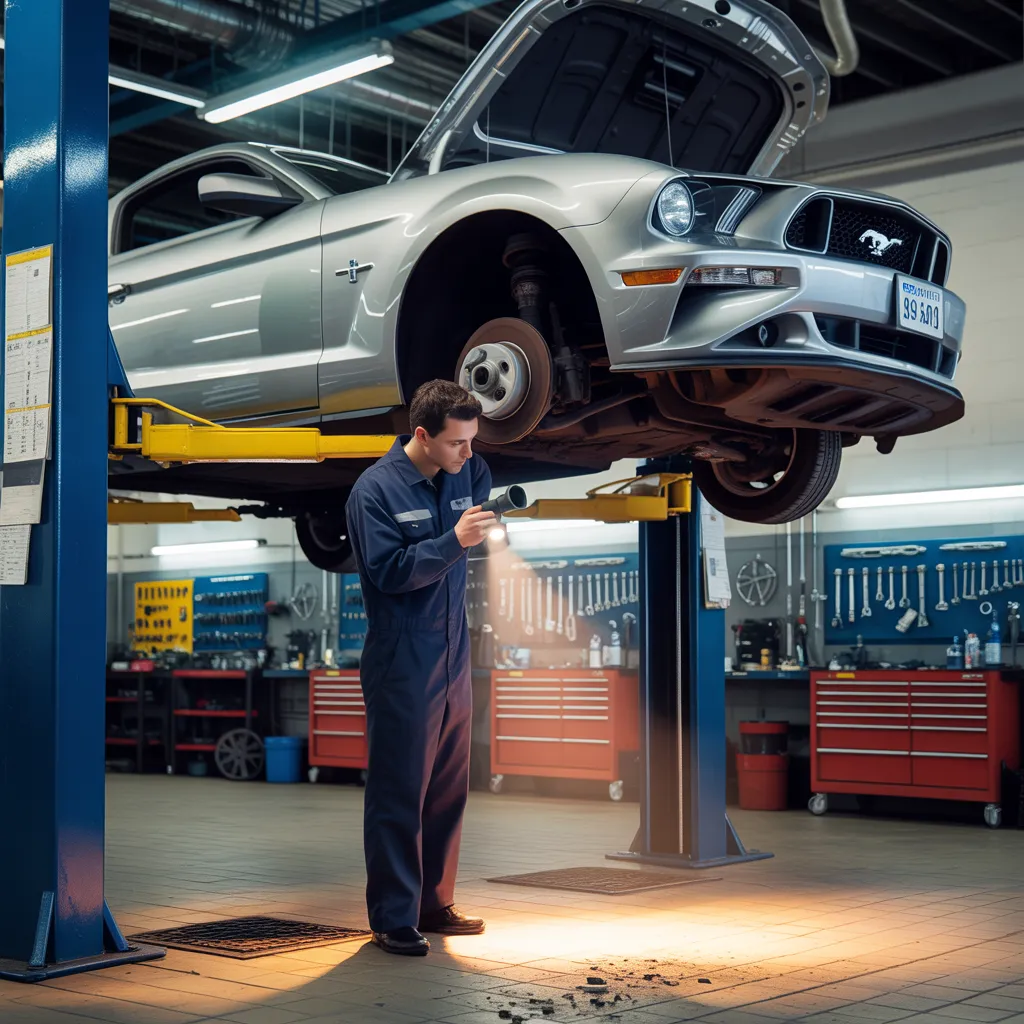
Search and Weigh Local Technicians
When looking for budget-friendly auto repair, it is essential to examine and evaluate local mechanics to guarantee the best value for service. A thorough investigation involves checking online reviews, ratings, and testimonials to assess the quality of service provided. Consumers should also inquire about the certifications and experience of the mechanics, as this can significantly impact the reliability of repairs.
Additionally, procuring quotes from multiple vendors delivers perspective into the median costs for designated services. This comparison works to recognize any unusually high or oddly inexpensive prices. Moreover, going to see mechanics in person allows for a better appraisal of their professionalism and customer service, which are critical components in establishing trust.
In the final analysis, diligent research and comparison furnish vehicle owners to make informed decisions, securing they select a mechanic who offers both quality repairs and fair pricing, as a result saving money in the years ahead.
Learn about your vehicle's service requirements
How can car owners ensure their vehicles stay in peak shape? Comprehending a car's maintenance needs is crucial. Each vehicle comes with a maker's maintenance plan, stating when particular maintenance should be executed. This schedule typically includes oil changes, tire rotations, brake inspections, and fluid replacements. Adhering to these recommendations helps prevent costly repairs down the line.
Additionally, owners should be cognizant of red flags suggesting potential issues, such as unusual noises or dashboard alerts. Frequently inspecting fluid levels, tire pressure, and the state of belts and tubes can also prolong a vehicle's lifespan.
Apply do-it-yourself repairs to small issues
Grasping a vehicle's service requirements establishes the foundation for quality car care, yet many small problems can be resolved through do-it-yourself fixes. For instance, jobs like replacing wiper blades, replacing air filters, or topping off fluids can be readily handled by car owners. DIY repairs not only save money on labor expenses but also enable people to develop a better comprehension of their vehicles.
Digital materials, including tutorial videos and forums, deliver useful guidance for those unfamiliar with car maintenance. Essential tools, such as wrenches, screwdrivers, and pliers, are often sufficient for these straightforward repairs. Additionally, performing regular upkeep of minor issues can stop them from progressing into more significant problems, ultimately extending the vehicle's lifespan. By adopting a DIY approach, car owners can effectively handle their maintenance needs while minimizing expenses and enhancing their overall automotive knowledge.
Look for Discounts and Promotions
What methods can car owners apply to economize on maintenance expenses? One effective approach is to search for deals and promotions given by auto repair shops. Many businesses present periodic discounts, customer rewards programs, or referral incentives that can greatly minimize repair bills. Car owners should also register for communications or monitor social media accounts of local repair shops, as these often display special offers.
Additionally, taking advantage of online coupon platforms can reveal short-term deals that can be assigned to repairs. Car owners may discover that some manufacturers or parts suppliers provide rebates on certain services, which can further help in minimizing costs. By investing the time to explore and remain alert about existing promotions, car owners can reduce money while maintaining their vehicles stay in good condition. Overall, being proactive in seeking discounts can produce major savings on necessary auto repairs.
Document a Thorough Maintenance Log
Keeping a meticulous documentation of car servicing is essential for car owners aiming to minimize maintenance bills. By documenting every maintenance and work, owners can document the car's past, identifying patterns that may indicate deep-seated problems. This record provides a precious guide for mechanics, allowing make informed decisions about essential upkeep and repair plans.
Regular entries including oil service, tire rotations, and brake checks help guarantee that the car remains in peak condition. Additionally, maintaining a log can help in warranty claims, as it demonstrates compliance to the manufacturer's recommended service intervals.
Furthermore, a thorough record can provide leverage when discussing repair costs, as it showcases proactive maintenance efforts. Ultimately, keeping an organized maintenance record not only extends your car's lifespan but also enables drivers to make better economic choices regarding their auto repair needs.
Popular Questions Asked Regularly
How Can I Determine a Reputable Mechanic?
To locate a reliable technician, one should request suggestions, examine feedback, verify qualifications, and notice workshop tidiness. Engaging in open communication about costs and repairs also promotes openness and creates faith in the technician's offerings.
What Are Common Indicators My Car Needs Maintenance?
Indicators that a car requires maintenance include unusual noises, warning lights on the dashboard, decreased efficiency, fluid leaks, and changes in handling or braking. Addressing these issues promptly can prevent further damage and higher repair costs.
Should I Use Original Parts or Aftermarket Parts?
Using original parts ensures compatibility and reliability, while alternative components may provide cost savings. The selection depends on personal preference, budget, and the particular work, comparing long-term value against direct outlays for best decision-making.
What's the Best Way to Address Issues With a Repair Shop?
To handle disputes with a repair shop, one should document all communications, collect proof, and distinctly express concerns. If necessary, escalating the issue to leadership or pursuing arbitration can help resolve disputes successfully.
What Defines the Average Cost of Typical Upkeep?
The median cost of common vehicle maintenance fluctuates significantly. For instance, brake pad replacement typically ranges from $150 to $300, while engine diagnostics may cost between $100 and $200, depending on the vehicle and location.